Creative
Director and co-executive producer of Star Trek: Prodigy, an Emmy-nominated 40-episode series for Paramount+ and Netflix. Now VFX supervisor on The Untitled Simpsons 2 Movie.
Creative · Operations · Technology
Twenty years leading creative teams and complex productions for network and streaming, Emmy-nominated. Now I build what comes next: AI systems, live products, and the tools and pipelines behind them.
Lost in time. Home by supper.
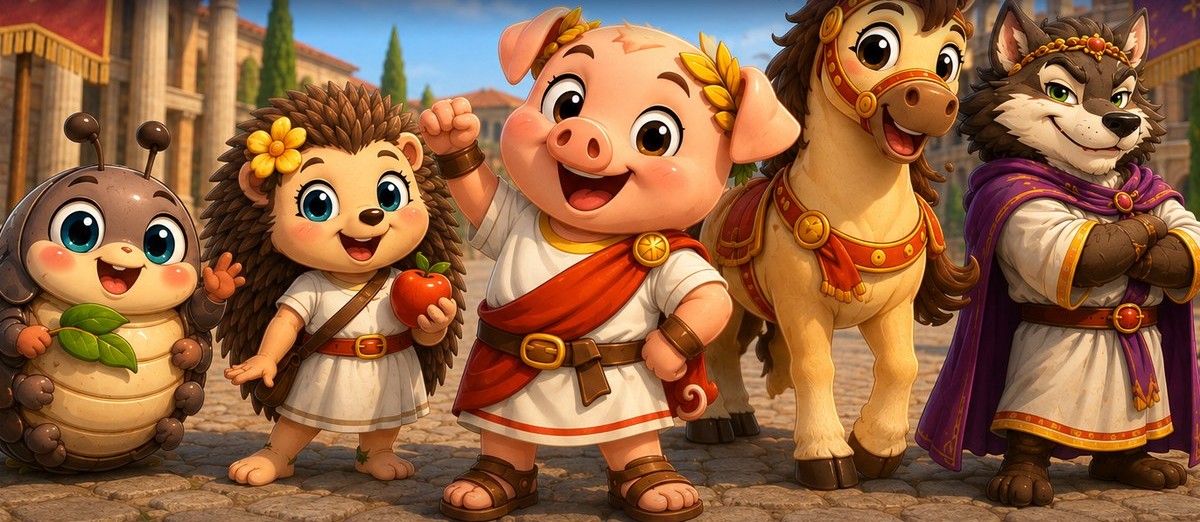
A Roman pig, his loyal potato bug, a hedgehog scientist and a very fast horse fall through a time machine they were never meant to find — and now they're racing through history to get home.

A big-hearted Roman pig with a hero's nerve — and a soft spot for supper.

The hedgehog scientist. Curious, clever, and the reason they might actually make it home.

The loyal potato bug — small, steadfast, and braver than he looks.

A very fast horse. When the plan goes sideways, TukTuk is the plan.

The silver-tongued senator who'd rather they never found their way back.
Every episode drops the crew somewhere new in history — and they have to think their way out before supper.
Ham Balonius started as a bedtime story and grew into a real production — characters, a world, animation tests and voice samples, built together. The kid who made him up is already in the credits.
Music
An ongoing experiment in generating music — new tracks land on SoundCloud as they come. Press play.
Work History
Scroll down through time — from current productions back to where the career began. Each project shaped the one that followed.
About
Creative · Operations · Technology
Twenty years leading creative and technical teams of up to 530 people across five countries, and delivering 300+ hours of content for Paramount, Sony, Disney and Netflix. I've built production operations from the ground up, engineered the pipelines they run on, and now build AI systems and live products end to end.
Director and co-executive producer of Star Trek: Prodigy, an Emmy-nominated 40-episode series for Paramount+ and Netflix. Now VFX supervisor on The Untitled Simpsons 2 Movie.
Built and ran production for teams of up to 530 people across five countries, including Sony Pictures Animation's first animated series, Ghostbusters: Night Shift for Netflix.
Introduced the effects pipeline behind 98 episodes of Teenage Mutant Ninja Turtles and scaled GPU rendering for episodic work. Today I design and build AI systems, games and apps myself.
The Universe, History Channel
Nickelodeon, from The Penguins of Madagascar on
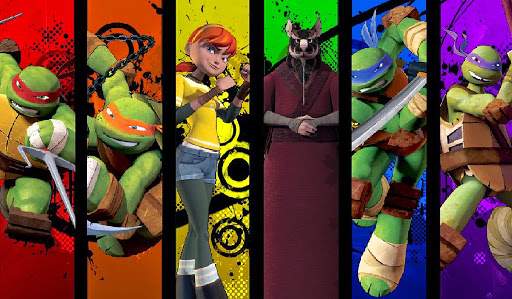
Teenage Mutant Ninja Turtles, Emmy nominated
Star Trek: Prodigy, Emmy nominated
Ghostbusters: Night Shift, Sony and Netflix
The Untitled Simpsons 2 Movie
Live figures from work, code and AI tools, updated nightly.
Interviews, panels, video and coverage from two decades of making television.
Nicktoons
Patrick joins Laura Hohman and Robert Castaneda to walk through Nickelodeon’s CG animation pipeline and share advice for aspiring artists.
Watch on YouTube ↗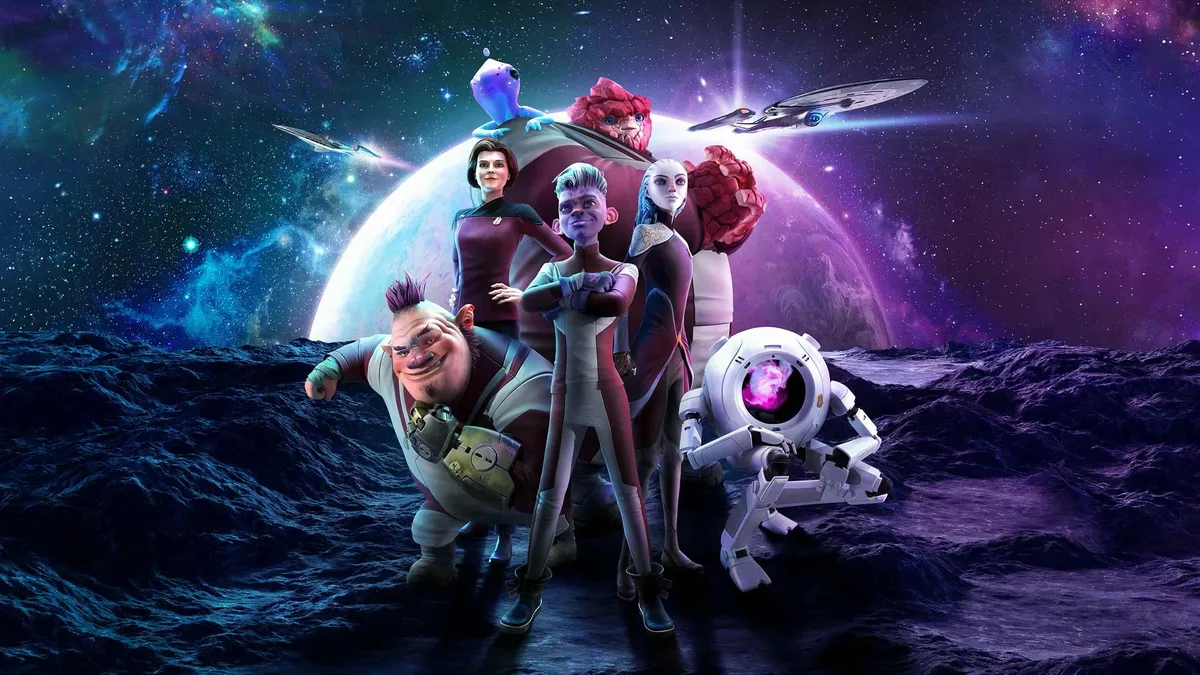
Helvetia Motion Arts
Animation director Jean-Denis Haas reflects on season two of Star Trek: Prodigy and names Patrick among the collaborators he would work with again.

NickALive!
The SCAD AnimationFest announcement lists Patrick alongside Jen Gay, Ben Hibon and Nikie Monteleone for a look at making the series before its premiere.
Television Academy
The Academy’s recap follows Patrick as he helps a young guest try a stylus at Nickelodeon’s Teenage Mutant Ninja Turtles animation demo.
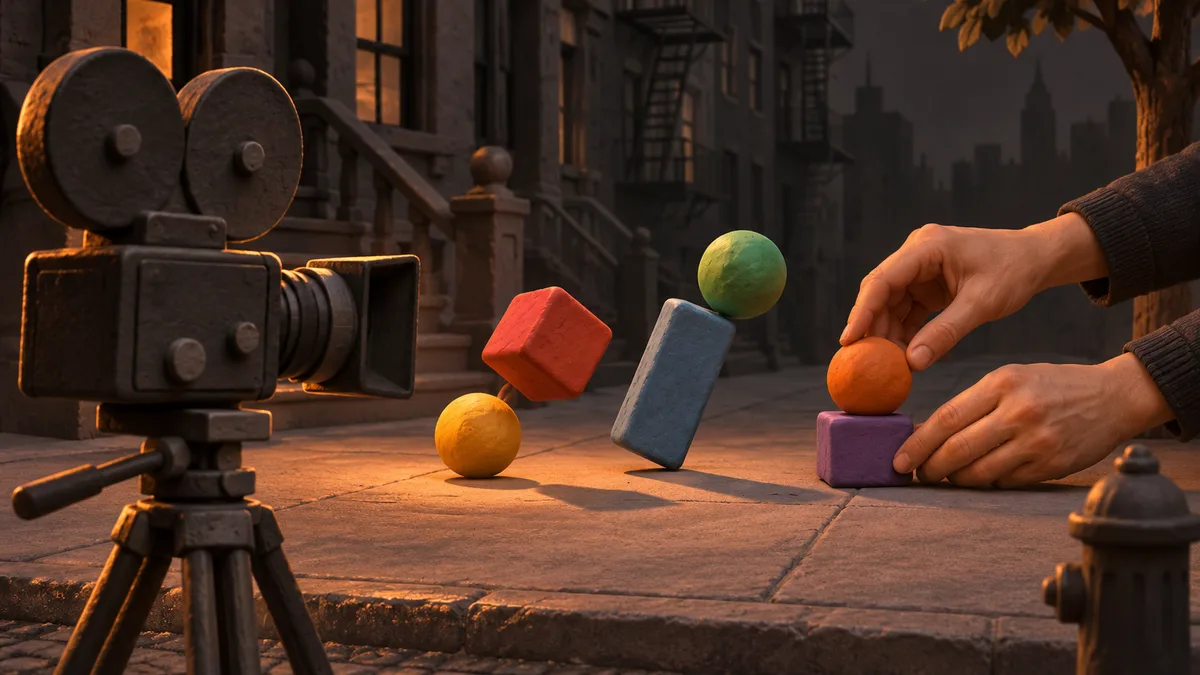
Pete List
Animator Pete List shares photos from the outdoor stop motion shoot in New York City. The production credits list Patrick as an assistant animator.
Games, applications, AI research, television and open-source work, designed and built by Patrick Krebs.
A web tribute to the 1990s BBS door games — a persistent-world barony you rule fifteen turns at a time, with an economy that moves whether or not you are watching.
Cut from the game's own art · original orchestral score
In 1992 you dialled a bulletin board, burned your fifteen turns for the day, and hung up. Somebody else was doing the same thing an hour later, and the world moved without you. Wardenfall is that loop, rebuilt properly — a modern browser game that keeps the shape of the original and drops none of the cruelty.
You hold a barony. You raise soldiers and jets and turrets, work eight kinds of land, trade grain and iron against a market whose prices are set by what everyone else is doing, and decide every day whether the neighbour who has been quietly buying tanks is a trade partner or a target. Turns refresh on a real clock. Alliances are real contracts. The ledger does not forgive you.
The systems layered on top — champions who level and die, expeditions into fog, sieges against other players' holds, an arena, a spellbook, a living faction economy — all resolve through the same engine, which is measured against a simulation harness rather than tuned by feel. When the numbers were found running backwards in August, they were found because the harness said so.
Wardenfall is an independent homage to Barren Realms Elite (Mehul Patel, 1992) and the BBS door games of that era. It is not affiliated with, endorsed by, or derived from the original or its rights holders.
Free to play, no download, runs in the browser. The realm advances at Pacific midnight whether or not you showed up.
Claim a barony →A hand-built professional home that keeps its own numbers and project statuses current.
patrickkrebs.com is the professional home of Patrick Krebs: career timeline, writing, music and a slate of working projects. It is built by hand rather than from a template, and much of it refreshes itself each night, so the figures and project statuses stay current without upkeep.
A template site could not show both halves of the work: two decades of studio storytelling and the products built alongside it. It was built to replace an off-the-shelf site with one that backs up its claims with live, dated evidence.
Scheduled runs refresh AI coding activity, code contribution history, site traffic and game player counts, so the About page always shows current numbers.
Every project carries a dated status snapshot that syncs automatically from the project's own working notes, with private details removed.
Public pages present structured AI debates in full, each with its own link, a summary of conclusions and a downloadable PDF report.
Career credits sit next to working products and dated build logs, so readers can check the work for themselves.
It shows how a personal site can stay accurate on its own, with content kept in simple files and updates published automatically.
The site was built from scratch and published online with five pages and an admin panel.
The site moved to patrickkrebs.com, 13 days ahead of its June 16 target.
Each project page gained a dated, automatically refreshed status card.
The About page began showing real site-traffic numbers, fetched fresh on each visit.
A dedicated Music page and a pitch page for the TV project Ham Balonius joined the site.
The public Dialogues section launched, later adding a link for every debate, share previews and PDF reports.
The site was reframed around a creative, operations and technology executive, naming the studios behind the work.
It was rebuilt as a lean single-page site on a small Node.js server, where content updates are simple file edits with no build step.
The server now writes each page's title and share card before sending it, and every Dialogues thread got its own real web address.
The nightly counter was rebuilt to include all sessions, remove duplicates and match the coding tool's own totals.
A more widely supported video format is now served first, with the original as a fallback.
Built with Plain JavaScript in the browser and Node.js with Express on the server, content stored in simple data files, hosting on Render, and scheduled scripts that refresh the metrics each night.
Add Custom Metric