Creative
Director and co-executive producer of Star Trek: Prodigy, an Emmy-nominated 40-episode series for Paramount+ and Netflix. Now VFX supervisor on The Untitled Simpsons 2 Movie.
Creative · Operations · Technology
Twenty years leading creative teams and complex productions for network and streaming, Emmy-nominated. Now I build what comes next: AI systems, live products, and the tools and pipelines behind them.

Lost in time. Home by supper.
A Roman pig, his loyal potato bug, a hedgehog scientist and a very fast horse fall through a time machine they were never meant to find — and now they're racing through history to get home.

A big-hearted Roman pig with a hero's nerve — and a soft spot for supper.

The hedgehog scientist. Curious, clever, and the reason they might actually make it home.

The loyal potato bug — small, steadfast, and braver than he looks.

A very fast horse. When the plan goes sideways, TukTuk is the plan.

The silver-tongued senator who'd rather they never found their way back.
Every episode drops the crew somewhere new in history — and they have to think their way out before supper.
Ham Balonius started as a bedtime story and grew into a real production — characters, a world, animation tests and voice samples, built together. The kid who made him up is already in the credits.
Music
An ongoing experiment in generating music — new tracks land on SoundCloud as they come. Press play.
Work History
Scroll down through time — from current productions back to where the career began. Each project shaped the one that followed.
About
Creative · Operations · Technology
Twenty years leading creative and technical teams of up to 530 people across five countries, and delivering 300+ hours of content for Paramount, Sony, Disney and Netflix. I've built production operations from the ground up, engineered the pipelines they run on, and now build AI systems and live products end to end.
Director and co-executive producer of Star Trek: Prodigy, an Emmy-nominated 40-episode series for Paramount+ and Netflix. Now VFX supervisor on The Untitled Simpsons 2 Movie.
Built and ran production for teams of up to 530 people across five countries, including Sony Pictures Animation's first animated series, Ghostbusters: Night Shift for Netflix.
Introduced the effects pipeline behind 98 episodes of Teenage Mutant Ninja Turtles and scaled GPU rendering for episodic work. Today I design and build AI systems, games and apps myself.
The Universe, History Channel
Nickelodeon, from The Penguins of Madagascar on
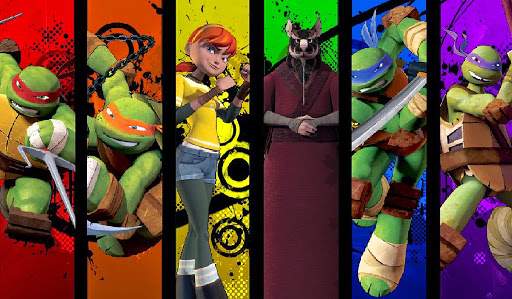
Teenage Mutant Ninja Turtles, Emmy nominated
Star Trek: Prodigy, Emmy nominated
Ghostbusters: Night Shift, Sony and Netflix
The Untitled Simpsons 2 Movie
Live figures from work, code and AI tools, updated nightly.
Interviews, panels, video and coverage from two decades of making television.
Nicktoons
Patrick joins Laura Hohman and Robert Castaneda to walk through Nickelodeon’s CG animation pipeline and share advice for aspiring artists.
Watch on YouTube ↗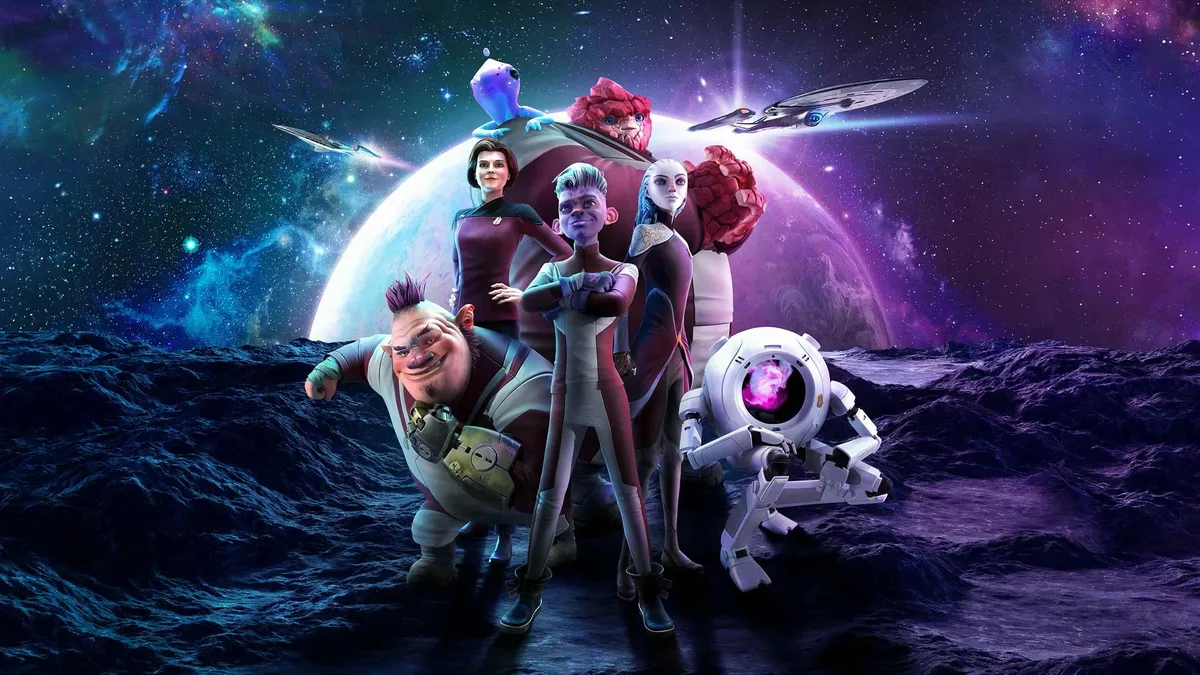
Helvetia Motion Arts
Animation director Jean-Denis Haas reflects on season two of Star Trek: Prodigy and names Patrick among the collaborators he would work with again.
NickALive!
The SCAD AnimationFest announcement lists Patrick alongside Jen Gay, Ben Hibon and Nikie Monteleone for a look at making the series before its premiere.
Television Academy
The Academy’s recap follows Patrick as he helps a young guest try a stylus at Nickelodeon’s Teenage Mutant Ninja Turtles animation demo.
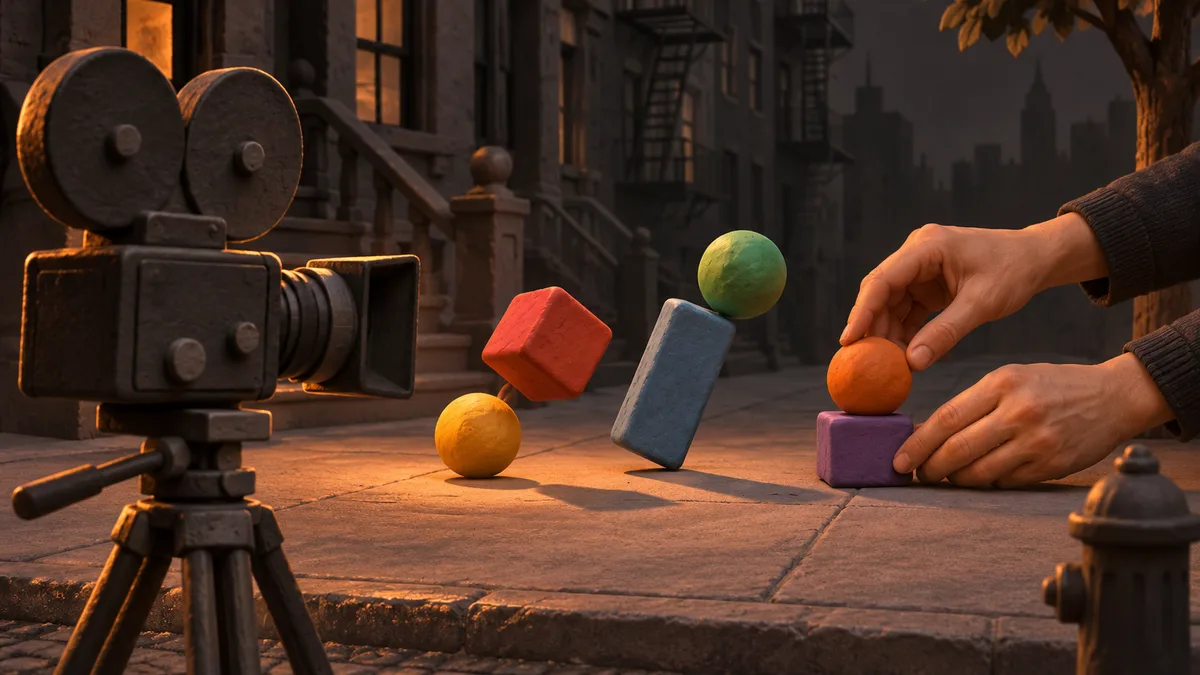
Pete List
Animator Pete List shares photos from the outdoor stop motion shoot in New York City. The production credits list Patrick as an assistant animator.
Games, applications, AI research, television and open-source work, designed and built by Patrick Krebs.
A web tribute to the 1990s BBS door games — a persistent-world barony you rule fifteen turns at a time, with an economy that moves whether or not you are watching.
Cut from the game's own art · original orchestral score
In 1992 you dialled a bulletin board, burned your fifteen turns for the day, and hung up. Somebody else was doing the same thing an hour later, and the world moved without you. Wardenfall is that loop, rebuilt properly — a modern browser game that keeps the shape of the original and drops none of the cruelty.
You hold a barony. You raise soldiers and jets and turrets, work eight kinds of land, trade grain and iron against a market whose prices are set by what everyone else is doing, and decide every day whether the neighbour who has been quietly buying tanks is a trade partner or a target. Turns refresh on a real clock. Alliances are real contracts. The ledger does not forgive you.
The systems layered on top — champions who level and die, expeditions into fog, sieges against other players' holds, an arena, a spellbook, a living faction economy — all resolve through the same engine, which is measured against a simulation harness rather than tuned by feel. When the numbers were found running backwards in August, they were found because the harness said so.
Wardenfall is an independent homage to Barren Realms Elite (Mehul Patel, 1992) and the BBS door games of that era. It is not affiliated with, endorsed by, or derived from the original or its rights holders.
Free to play, no download, runs in the browser. The realm advances at Pacific midnight whether or not you showed up.
Claim a barony →One live window showing what Claude Code and OpenAI's Codex coding agents are doing right now.
aiwatch is a live, text-based dashboard that shows Claude Code and Codex sessions side by side, with their status, timers and latest actions. It is built on wfwatch by Zamir Musaev, used under the MIT license, and adds Codex to it. When Codex hands work to helper agents, they appear nested under the session that started them.
Working with two AI coding assistants at once means watching two separate places. wfwatch already gave a clear live view of Claude Code, so aiwatch extends that same view to Codex instead of building a second tool.
Each Codex thread is drawn exactly like a Claude session, so both read the same way at a glance.
Agents spawned by a Codex thread show as its subagents, each with its own status, activity and result.
Working or idle comes from the assistant's own start and finish events rather than a guess based on time.
One screen shows which assistant is busy, which is idle and what each did last.
It only reads the files these tools already keep and writes nothing. It is free under the Apache 2.0 license.
It runs on macOS and Windows in an ordinary terminal window.
The first version drew Codex threads as wfwatch sessions, alongside Claude Code.
Agents a Codex thread spawns began appearing as subagents of that thread.
Released under Apache 2.0, keeping wfwatch's MIT notice and credit to Zamir Musaev.
The live view gained keyboard support on Windows.
The public page gained screenshots of the overview, agent mode and a Claude session.
A small Windows keyboard reader returns the same keys, so the live view runs there too.
aiwatch reads only the end of each log, keeping the view fast.
That copied history is skipped, so every agent's figures are its own.
Built with Python with the Rich library for the terminal display, built on top of the open-source wfwatch tool.
Add Custom Metric